
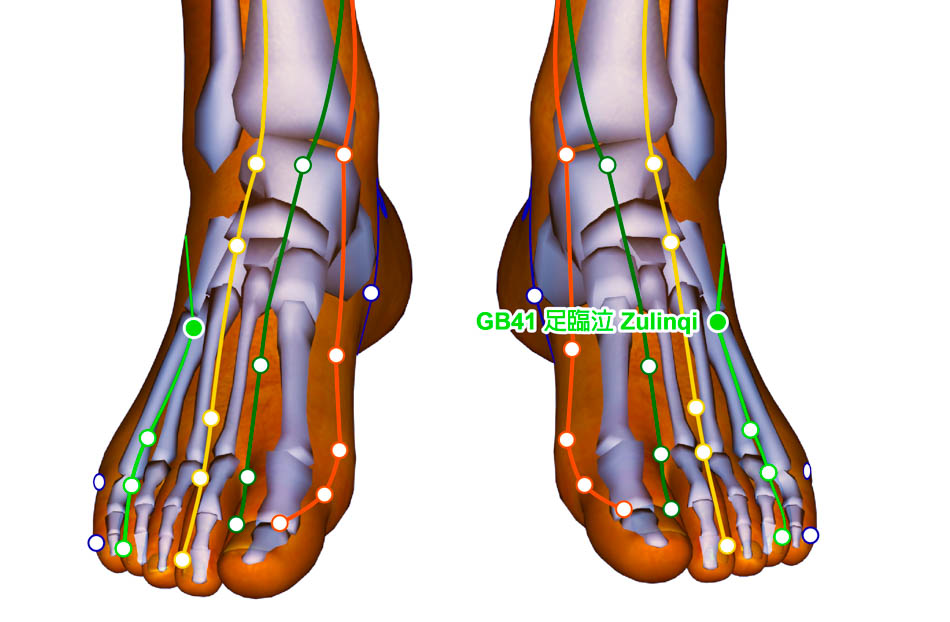
Acupuncture has been shown to reduce pain levels in patients with diabetic neuropathy, specifically those with axonal distal symmetric polyneuropathy (DSPN), a condition in which peripheral nerves progressively deteriorate, leading to symmetrical sensory loss and neuropathic pain in the feet and lower legs. Specifically, electroacupuncture was found optimal.
A randomized, double-blind clinical trial demonstrated that acupuncture produced clinically meaningful reductions in neuropathic pain intensity in patients with electrophysiologically confirmed axonal distal symmetric polyneuropathy (DSPN) associated with type 2 diabetes mellitus. Patients receiving true electroacupuncture achieved reductions of 58% in current pain, 40% in least pain, 19% in worst pain, and 63% in average pain, while the sham group experienced slight increases across all pain categories. These findings suggest that a standardized electroacupuncture protocol provides significant analgesic benefit in painful DSPN. [1]
The trial enrolled adults aged 40–75 after screening 1,290 potential participants. Eighteen individuals with clinically and electrophysiologically confirmed axonal DSPN met eligibility criteria and were randomly assigned in a 1:1 ratio to receive either true or sham electroacupuncture. Only 38.89% had a prior clinical diagnosis of DSPN despite 83.33% reporting neuropathic symptoms, indicating substantial under-diagnosis in typical clinical settings. Diagnostic confirmation required neurological examination and nerve conduction velocity testing by certified neurologists and neurophysiologists. [1]
Licensed acupuncturists with more than ten years of clinical experience performed all procedures. True electroacupuncture utilized acupuncture needles sized 30G × 40 mm, inserted to a depth of approximately 1 cm or until the deqi sensation was obtained. Electrical stimulation was delivered in dense-disperse mode at 2/100 Hz for twenty minutes per session. Treatments occurred twice weekly for eight weeks, totaling sixteen sessions. Needle depth was adjusted slightly according to body size while maintaining procedural uniformity. [1]
The protocol strictly limited acupoints to six bilaterally applied points: ST36, ST40, SP6, SP9, LV3, and GB41. No additional points were permitted, ensuring reproducibility and adherence to STRICTA guidelines. [1] The STRICTA guidelines—Standards for Reporting Interventions in Clinical Trials of Acupuncture—are an extension of the CONSORT statement designed to ensure that acupuncture interventions in clinical research are described with enough detail to allow accurate interpretation, replication, and evaluation.
Sham electroacupuncture was performed using a specially adapted non-penetrating device. The device prevented skin penetration and did not elicit deqi. Participants in both real and sham groups were blindfolded during every session to preserve blinding. Acupuncturists, evaluators, and data analysts were also blinded to treatment assignments, fulfilling CONSORT and STRICTA standards. [1]
Neuropathic pain was measured using the DN-4 and the 11-point Numeric Rating Scale. For DN-4, the electroacupuncture group showed a reduction (−22%) compared with the sham group (−5%). NRS results demonstrated the most significant improvements. The electroacupuncture group showed decreases of 2.78 points in current pain, 2.11 in least pain, 4 in worst pain, and 3.67 in average pain. Percentage change analysis confirmed substantial clinical response, with average pain improving by 63%. The sham group showed mild worsening across all NRS categories. [1]
Participants continued standard medications such as paracetamol, diclofenac, pregabalin, gabapentin, and B-complex vitamins throughout the study. No significant changes in pharmacologic management of neuropathic symptoms occurred, allowing attribution of pain improvement to the electroacupuncture treatment rather than medication adjustments. [1]
No adverse events occurred in either group during the eight-week treatment period. Biweekly follow-up confirmed the absence of treatment-related complications, supporting the safety of the protocol. While the sample size reflects the exploratory nature of a pilot study, the magnitude of improvement across multiple pain domains parallels earlier preliminary work and supports continuation into larger multicenter phases.
The researchers note that acupuncture offers a safe, well-tolerated, and clinically meaningful therapeutic option for patients with painful DSPN, warranting further validation in large, biomarker-integrated randomized trials.
Reference:
1. Pérez Hernández MF, Rodríguez Guerrero E, et al. Effect of electroacupuncture for pain relief in diabetic distal symmetric polyneuropathy: a pilot randomized clinical trial. BMC Complementary Medicine and Therapies, 2025.
