Acupuncture CEU News Online | HealthCMi

Share |

The California Acupuncture Board recently covered a broad variety of topics in both public and private meetings. An interesting bill, ABX1 (SBX1), was reviewed in relation to Medi-Cal reimbursements for acupuncture outpatient services. The bill seeks to restore Medi-Cal benefits for acupuncture treatments “to the extent federal matching funds are provided for acupuncture.”

Acupuncture for Medi-Cal patients is reviewed by the California Acupuncture Board. This new California bill coincides with a recently enacted law that adopts a Kaiser Permanente health insurance plan (1637, 30-N) as a template for basic minimum insurance benefits allowed in health insurance plans for small groups and individuals. The Patient Protection and Affordable Care Act, Obamacare, requires all states to set basic minimum standards on essential healthcare benefits such as preventative medicine, ambulatory patient services, hospitalization, maternity care, newborn care, vision screening and tobacco cessation. The California law assures compliance with the new federal law.  

The California law, authored by State Senator Bill Monning (D-Carmel) and signed into law by Governor Jerry Brown, establishes details for California’s essential health benefits and takes effect in 2014. Acupuncture for the treatment of pain and nausea will now be a required benefit on all small group and individual healthcare plans in California because it is one of the benefits in the Kaiser plan, which now serves as the minimum template for small group and individual plans. Notably, Maryland has a similar provision assuring that acupuncture treatments are included in all small group and individual plans.

ABX1 (SBX1) now seeks to restore Medi-Cal benefits for acupuncture treatments and is consistent with the statewide law. Prior to its revocation, Medi-Cal benefits in California paid licensed acupuncturists only $16.22 per visit with a total maximum visits of two per month. The two visits per month included the combined total of both acupuncture and chiropractic office visits. If enacted, the reimbursement rates for acupuncture visits and limitations on access will require stipulatory regulation.

The Kaiser plan adopted as the statewide standard makes no stipulation for the maximum number of visits per a particular time-period. As a result, it will be illegal for insurance companies to arbitrarily limit the number of acupuncture treatments in small group and individual healthcare plans. Limitations will instead be set by medical necessity standards, a common practice in many healthcare plans nationwide. To remain consistent with the current law, ABX1 (SBX1) would need to adopt the same office visit limitation guidelines.

Share |

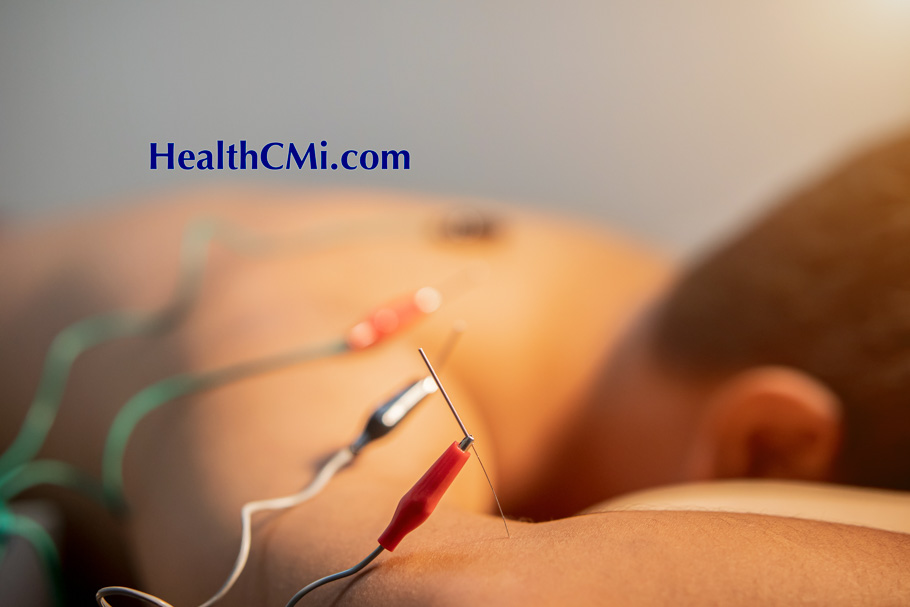
New research reveals that acupuncture bested a pharmaceutical medication for the treatment of sleep disorders. A special Traditional Chinese Medicine manual acupuncture technique was applied to acupuncture points commonly used to benefit sleep by licensed acupuncturists combined with the oral administration of vitamin B1. The acupuncture group was measured against the drug group and a control group. The control group received needling stimulation at non-acupoints and the oral administration of vitamin B1. The drug group received estazolam, a benzodiazepine pharmaceutical medication that has anticonvulsant, antianxiety, sedative and muscle relaxant effects. The researchers discovered that the drug was 59.7% effective while acupuncture was 84.1% effective. The control group only showed a 25% effective rate thereby ruling out the placebo effect triggered by sham acupuncture.

Back Shu point acupuncture is shown here. For over one thousand years, acupuncture points SP6 (Sanyinjiao), Anmian (EXHN22), HT7 (Shenmen)` and Back Shu points have been used by acupuncturists for the treatment of sleep disorders. This modern research tested the efficacy of this acupuncture point prescription combined with a classic manual acupuncture technique, the flying technique, and oral administration of vitamin B. The acupuncture technique is named after the motion exerted on the release of the acupuncture needle. The handle of the acupuncture needle is held while the needle is rotated slightly and the hand then releases the handle like ‘the flying of a bird.’

The flying technique is used in Traditional Chinese Medicine (TCM) and other forms of Oriental Medicine (OM) to strengthen the stimulation of the acupuncture point and to promote what is referred to as the free flow of Qi, energy. Traditionally, the flying technique is also combined with other acupuncture techniques such as the rubbing and fanning acupuncture needle techniques. The researchers did not add the additional techniques but isolated the singular flying technique for this study. The researchers concluded that flying acupuncture needle therapy is “superior to estazolam and non-acupoint acupuncture.”

All of the acupuncture points used in the study are common to clinical practice for licensed acupuncturists. Perhaps one of the most popular and historically well documented acupuncture points for the treatment of insomnia is HT7 (Shenmen). Translated as Spirit Gate, this acupuncture point is located on the wrist crease at the ulnar end in a depression on the radial side of the tendon of the flexor carpi ulnaris. HT7 connects to acupuncture point SI7 in the traditional Yuan-Luo (Souce-Connecting) combination. HT7, according to Traditional Chinese Medicine theory, is a Shu Stream, Earth, Son and Source Point. HT7 functions to calm the spirit, pacify the Heart and clear the channels. HT7 is indicated for the treatment of insomnia, hysteria, irritability, palpitations, amnesia, absent mindedness, mania, dementia, epilepsy, seizures, hypochondriac pain, icteric sclera and jaundice.


Reference:
Chen, X. H., Y. Li, Y. Kui, C. Wang, F. Fang, D. J. Zhou, S. H. Zhang, and Y. D. Xian. "[Sleep disorder treated mainly with flying needling therapy: a clinical randomized controlled research]." Zhongguo zhen jiu= Chinese acupuncture & moxibustion 33, no. 2 (2013): 97-100.

Share |

A new study confirms that acupuncture’s medical benefits are acupuncture point specific for its effective actions on the stomach, intestines and heart. Researchers discovered that needling acupuncture point CV12 increases HRV, heart rate variability, an important ability of the human heart to vary its rate in reaction to bodily demands. Needling CV12 did not affect electrogastrogram signals, a measure of electric signals in the stomach and intestines. The converse is true of needling acupuncture point UB32. Applying an acupuncture needle to this point affects electrogastrogram readings but does not affect HRV.

Acupuncture has point specific medical actions. Acupuncture This is the latest in a series of investigations proving that specific acupuncture points have specific effects. In a related MRI acupuncture study, investigators note that acupuncture “induce(s) different cerebral glucose metabolism changes in pain-related brain regions and reduce(s) intensity of pain” for patients with migraines. PET-CT neuroimaging (positron emission tomography - computed tomography) revealed that the choice of acupuncture points used determines exact changes in brain glycometabolism in specific regions of the brain.

Researchers at the University of California School of Medicine (Irvine, California) came up with similar results, “Recent evidence shows that stimulation of different points on the body causes distinct responses in hemodynamic, fMRI and central neural electrophysiological responses.” The investigators reviewed MRI results and noted that “stimulation of different sets of acupoints leads to disease-specific neuronal responses, even when acupoints are located within the same spinal segment.”

This type of research demonstrates that acupuncture points have specific biophysical effects on human health. For centuries, Traditional Chinese Medicine (TCM) scholars have documented specific clinical results for individual acupuncture points and groupings of acupuncture points. Researchers investigated this theoretical and clinical construct with MRI imaging technology to test for acupuncture point specificity. Their findings agree with the traditional view that the functional medicinal actions of individual acupuncture points have unique biophysical affects and render specific beneficial clinical outcomes for patients.

Reference:
Minagawa, Munenori, Yasuzo Kurono, Tatsuyo Ishigami, Atsushi Yamada, Toshinori Kakamu, Ryoichi Akai, and Junichiro Hayano. "Site-specific organ-selective effect of epifascial acupuncture on cardiac and gastric autonomic functions." Autonomic Neuroscience (2013).

A PET-CT study on specificity of acupoints through acupuncture treatment on migraine patients. Jie Yang1, Fang Zeng1, Yue Feng1,Li Fang1, Wei Qin2, Xuguang Liu1, Wenzhong Song3, Hongjun Xie3 , Ji Chen1, Fanrong Liang1.


Point specificity in acupuncture. Chinese Medicine 2012, 7:4 doi:10.1186/1749-8546-7-4. Emma M Choi, Fang Jiang, John C Longhurst. 
Susan Samueli Center for Integrative Medicine, Department of Medicine, School of Medicine, University of California, Irvine CA.

Share |

New research shows that patients with fibromyalgia are likely to seek acupuncture treatment and other forms of complementary or alternative medicine (CAM). Published by the University of Montana, the research focused on whether or not pain motivated patients to seek CAM therapies such as acupuncture, massage, chiropractic, yoga, Tai Chi and cognitive behavior therapy. The results showed that over 70% of patients with fibromyalgia sought CAM therapies. The research concluded that “interference in daily activities from pain increases the use of CAM….”

Acupuncture is used for fibromyalgia syndrome pain treatment. Acupuncture for FibromyalgiaFibromyalgia is a disorder characterized by chronic pain and is due to neuroendocrine dysfunction. Fibromyalgia pain is non-nociceptive. This type of pain is not due to the activation of pain receptors as in burns and injuries. Non-nociceptive pain is due to destructive changes in the nervous system. The pain originates in the peripheral or central nervous system and pain is generated by nerve cell dysfunction. Migraine headaches, irritable bowel syndrome pain and fibromyalgia related pain are all forms of non-nociceptive pain.

The treatment of fibromyalgia with acupuncture and herbal medicine within the Chinese Medicine system predates its acknowledgment within biomedicine. Ancient writings and modern Chinese Medicine research document acupuncture’s beneficial effects for the treatment of fibromyalgia. Recently, a study demonstrated that acupuncture reduces pain sensitivity for fibromyalgia syndrome (FMS) patients. In addition, these patients demonstrated significant reductions in anxiety and depression. As a result, the overall quality of life score improved for fibromyalgia patients receiving acupuncture treatments.  

These findings concur with the conclusions of research published in Clinical Rheumatology. Investigators discovered that acupuncture has “beneficial effects” for patients with fibromyalgia. Other recent research conducted at the University of Maryland School of Medicine (Baltimore) and at the Mayo Clinic College of Medicine (Minnesota) came to the same conclusion about the efficaciousness of acupuncture for the treatment of fibromyalgia. Researchers from the Department of Anesthesiology at the Mayo Clinic College of Medicine noted, “We found that acupuncture significantly improved symptoms of fibromyalgia. Symptomatic improvement was not restricted to pain relief and was most significant for fatigue and anxiety.”

According to Chinese Medicine principles, fibromyalgia is due to Liver Qi stagnation, Bi syndrome, dampness with Wei Qi  obstruction, Qi deficiency and Yin deficiency. Acupuncture and herbal medicine are commonly used to treat fibromyalgia within the framework of the Chinese Medicine system of differential diagnostics. Biomedical treatments for fibromyalgia include anti-depressants, serotonin reuptake inhibitors, sleep drugs, pain medications and nutritional supplements.


References:
Skogley, Sandra. "Effects of Pain Interference on Use of Complementary Therapy in Fibromyalgia." (2013).

Bastos, Jessica Lucia Neves, et al. "Effect of Acupuncture at Tender Points for the Management of Fibromyalgia Syndrome: A Case Series." Journal of Acupuncture and Meridian Studies (2013).

An overview of systematic reviews of complementary and alternative medicine for fibromyalgia. Rohini Terry, Rachel Perry and Edzard Ernst. Clinical Rheumatology
Volume 31, Number 1 (2012), 55-66, DOI: 10.1007/s10067-011-1783-5.

Berman BM, Ezzo J, Hadhazy V, Swyers JP. Complementary Medicine Program, University of Maryland School of Medicine, Baltimore 21207, USA. The Journal of Family Practice [1999, 48(3):213-218].

Mayo Clin Proc. 2006 Jun;81(6):749-57. Improvement in fibromyalgia symptoms with acupuncture: results of a randomized controlled trial. Martin DP, Sletten CD, Williams BA, Berger IH. Department of Anesthesiology, Mayo Clinic College of Medicine, Rochester, Minnesota.

Share |

New research demonstrates that acupuncture reduces the incidence of cocaine related seizures and death. Seizures occur at a rate of approximately 2-10% of cocaine users. High doses of cocaine are lethal. In addition, cocaine use is linked to cardiac arrhythmias and cerebral hemorrhages.

US Navy is depicted seizing illegal cocaine shipment.US Navy Seizes CocaineAcupuncture has a long history in the successful treatment of epilepsy, which prompted researchers to investigate its potential to control cocaine induced seizures. Modern research suggests that this protective effect is due to acupuncture’s ability to increase concentrations of inhibitory amino acids to decrease nitric oxide levels in the central nervous system. The researchers were also interested in the effects of acupuncture based upon findings that acupuncture reduces symptoms associated with morphine and nicotine withdrawal. Specifically, acupuncture administered at acupoint HT7, located on the wrist crease, regulates dopamine releases in the brain via GABA receptors.

The study involved induction of cocaine induced seizures in mice needled at acupuncture points GV14 and GV20. The researchers found that mice receiving acupuncture had less seizures, “Pretreatment of animals with EA [electroacupuncture] (50 Hz) significantly reduced seizure incidence.” A study on the effects of high doses of acupuncture was also tested. Mortality rates dropped significantly in test groups receiving electroacupuncture (2 Hz) to acupuncture points GV14 and GV20. A sham study group receiving acupuncture at acupuncture point SI11 showed a minor decrease in the mortality rate but it did not rise to a statistically significant level. The control group that did not receive any acupuncture showed a significantly higher mortality rate. In an interesting finding, while 2 Hz electroacupuncture showed significant drops in mortality rates, electroacupuncture set to 100 Hz did not exhibit this protective effect. The researchers noted that 2 Hz electroacupuncture “reduced seizures and mortality induced by a high dose of cocaine.”

The investigators note that they have discovered that there is dopamine D3 receptor involvement in the anticonvulsant effects of electroacupuncture. The D3 receptor is a protein encoded by a gene that plays a role in cognitive and emotional functions. D3 agonists demonstrate antidepressant effects. Pharmaceutical drugs target the D3 receptor for the treatment of schizophrenia, drug addiction and Parkinson’s disease. In this research, it has been found that the beneficial effects of electroacupuncture are due, in part, to its regulatory actions on the dopamine D3 receptor. These findings are consistent with other recent research demonstrating that acupuncture enhances antidepressant drug therapy and that acupuncture combined with paroxetine (Paxil, Sereupin, Aropax) is more effective than paroxetine alone. In yet another study conducted at the University of Arizona (Tucson) researchers discovered that “acupuncture can provide significant symptom relief in depression, at rates comparable to those of psychotherapy or pharmacotherapy.” One common theme emerging is that the biochemical effects of acupuncture for the treatment of depression is similar to that of medications. Acupuncture has the ability to increase levels of monoamines. These include the neurotransmitters serotonin, norepinephrine and dopamine.

Just recently, an investigation published in the Journal of Psychiatric And Mental Health Nursing discovered that ear acupuncture reduces anxiety and other symptoms brought on by drug and alcohol addiction. The researchers followed protocols established by NADA (National Acupuncture Detoxification Association) and found that subjects receiving acupuncture experienced increased relaxation and a sense of well-being. In another closely related study, researchers found that acupuncture applied to acupoints HT7 and P6 successfully controlled heroin withdrawal symptoms. Much of this research was prompted by a Yale University School of Medicine investigation on human subjects demonstrating that acupuncture is significantly effective in the treatment of cocaine addiction and that acupuncture treatment reduces recidivism.

Acupuncture Point Shop Talk
Let’s take a look at the Traditional Chinese Medicine (TCM) usages of the acupuncture points used in the study. GV14 is located below the spinous process of C-7, approximately at the level of the shoulders. GV14 is the intersection point of all Yang meridians and functions to release exterior pathological conditions, open the Yang, clear the brain and calm the spirit (Shen). GV14 is commonly indicated for treating neck and shoulder rigidity, malaria, febrile diseases, seizures, epilepsy, tidal fevers, afternoon fevers, coughing and asthma.

GV20 is located on the head midline, 7 cun above the posterior hairline and approximately on the midpoint of the line connecting the apex of the auricles. GV20 is a Sea of Marrow point and functions to clear the senses, calm the spirit, extinguish Liver wind and stabilize the ascending Yang. GV20 is commonly indicated for the treatment of headaches, vertigo, dizziness, tinnitus, nasal congestion, coma, shock, mental disorders, prolapsed rectum and prolapsed uterus.

References:
Chen, Yi-Hung, Boris Ivanic, Chieh-Min Chuang, Dah-Yuu Lu, and Jaung-Geng Lin. "Electroacupuncture reduces cocaine-induced seizures and mortality in mice."

Qu, Shan-Shan, et al. "A 6-week randomized controlled trial with 4-week follow-up of acupuncture combined with paroxetine in patients with major depressive disorder." Journal of Psychiatric Research (2013).

Allen, John JB, Rosa N. Schnyer, and Sabrina K. Hitt. "The efficacy of acupuncture in the treatment of major depression in women." Psychological Science 9.5 (1998): 397-401.

Bergdahl, Lena, A. H. Berman, and Kristina Haglund. "Patients’ experience of auricular acupuncture during protracted withdrawal." Journal of psychiatric and mental health nursing (2013).

Journal of Acupuncture and Tuina Science. Volume 10, Number 3 (2012), 155-159. Therapeutic efficacy observation on acupuncture for post-withdrawal syndrome of heroin dependence. Yan Liang, Lei Zong, Yu Li, Bo Cheng, Jing Xu and Yue-lai Chen.

Psychopharmacology. Effects of acupuncture on stress-induced relapse to cocaine-seeking in rats. Seong Shoon Yoon, Eun Jin Yang, Bong Hyo Lee, Eun Young Jang, Hee Young Kim, Sun-Mi Choi, Scott C. Steffensen and Chae Ha Yang.


Arch Intern Med. 2000;160(15):2305-2312. Randomized Controlled Trial of Auricular Acupuncture for Cocaine Dependence. S. Kelly Avants, PhD; Arthur Margolin, PhD; Theodore R. Holford, PhD; Thomas R. Kosten, MD. Yale University School of Medicine and Department of Psychiatry. New Haven, Connecticut.

Share |

New research finds that acupuncture lowers elevated blood glucose levels related to obesity and diabetes. A laboratory experiment using obese diabetic rats incorporated electroacupuncture applied to Zhongwan (CV12) and Guanyuan (CV4). The experimental model was compared with two other groups. A control group received no acupuncture and another group received acupuncture at Zusanli (ST36). The groups receiving acupuncture at ST36 and the control group receiving no acupuncture did not show significant changes in blood glucose levels. The group receiving acupuncture at CV4 and CV12 showed significantly lower glucose levels. The researchers concluded that electroacupuncture applied to CV4 and CV12 “was effective in lowering baseline BG (blood glucose) and modulating the change in BG.”

Acupuncture needles used for obese diabetics. Acupuncture NeedlesThis finding coincides with the release of another recent study demonstrating that acupuncture significantly reduces diabetic neuropathy, a condition involving symptoms such as numbness, tingling, electrical sensations and pain in the extremities. The study showed that human patients taking medications improved only 37.45% but patients receiving medications combined with acupuncture treatments improved at a remarkable 90% rate. This finding supports the integrative medicine model of patient care wherein the synergistic effects of combined modalities yields better patient outcomes than either as a standalone therapy.

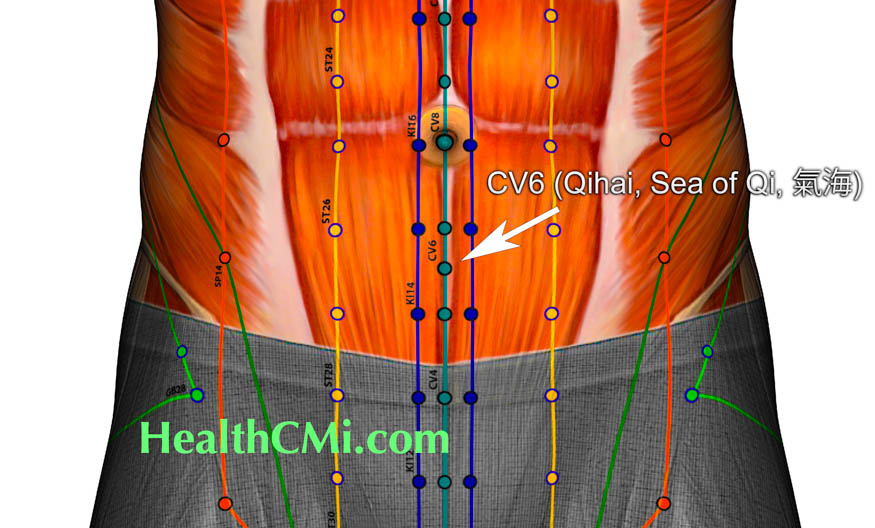
The study used acupuncture point CV4 (Guanyuan) as did the aforementioned laboratory experiment showing the blood glucose lowering effects of electroacupuncture. This acupuncture point is located on the midline, three cun below the umbilicus. According to Traditional Chinese Medicine (TCM) theory, it is the Front Mu point of the Small Intestine. CV4 nourishes and stabilizes the Kidney, regulates Qi and restores Yang. CV4 is the intersection of the 3 leg Yin channels. Historically, Guanyuan is translated as the Gate of Origin and is also referred to as the Sea of Qi, Gate of Life (Mingmen) and Lower Dantian. According to Chinese medicine principles, this point has a powerful effect on nourishing and tonifying the body. There is a long history in Chinese Medicine (CM) historical texts and modern clinical usage for implementing this acupuncture point for diabetes related conditions including enuresis (lack of urinary control), impotence, dysuria (painful urination), retention of urine and kidney related disorders. This acupuncture point is one of the main strengthening points in Chinese Medicine and is given the function of tonifying the original Qi (energy) and benefitting the Jing (essence). Researchers also used Quchi (LI 11), Weiwanxianshu (EX-B3), Shenshu (BL 23), Zusanli (ST 36), Hegu (LI 4) and Sanyinjiao (SP 6) in this study.

Dietary modifications are a common way to affect blood glucose levels. Chinese Medicine dietetics covers dietary modifications for the treatment of diabetes in detail. Take a look at the video below to see samples of Chinese Medicine dietetics. One of the foods presented in this video for the treatment of acne, bitter melon, is also commonly used for the treatment of blood glucose disorders and diabetes.


Reference:
Peplow, Philip V., and Soo Min Han. "Repeated Application of Electroacupuncture Ameliorates Hyperglycemia in Obese Zucker Diabetic Fatty Rats." Journal of Acupuncture and Meridian Studies (2013). Department of Anatomy, University of Otago, Dunedin, New Zealand.

Share |

New research reveals that acupuncture stimulates the release of biochemicals that relieve athletic fatigue due to intensive endurance exercises. Researchers found that acupuncture applied to specific acupuncture points increases antioxidant activity and decreases biochemical releases that are markers for oxidative stress. The researchers applied electroacupuncture to acupoints on the legs in this randomized, controlled study. The results measured specific results showing that electroacupuncture has beneficial effects on human health by intervening in the free radical metabolism process in athletes.

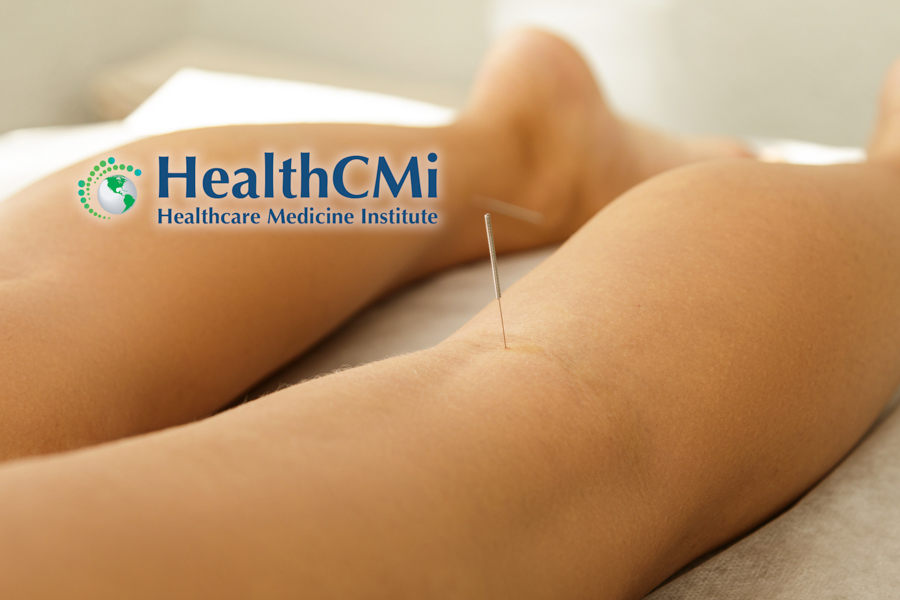
Acupuncture needling is applied in this image. Acupuncture NeedlingThe endurance athletes received electroacupuncture once a day for 15 days during the training period. The acupuncture point selection included acupoints on the Spleen, Stomach and Liver acupuncture channels: SP10 (Xuehai), ST36 (Zusanli), LV3 (Taichong), SP6 (Sanyinjiao). Acupuncture needle retention time was 30 minutes per acupuncture treatment.

The researchers measured significant increases in superoxide dismutase (SOD) and significant decreases in serum malondialdehyde (MDA) for the endurance athletes. Superoxide dismutases are enzymes that have important antioxidant effects in cells. Superoxide dismutases protect cells from toxicity and exert powerful pharmacological anti-inflammatory responses. Acupuncture successfully increased this important biochemical in the bloodstream for the athletes.

Acupuncture was also shown to lower levels of malondialdehyde, an organic compound that is a marker for oxidative stress. Acupuncture lowers levels of this biochemical responsible for toxic stress in cells. Malondialdehyde is associated with pathologies such as disorders of the cornea and osteoarthritis. The researchers concluded that electroacupuncture decreases MDA and increases SOD in athletes undergoing “intensive endurance exercise, which may contribute to its effect in relieving athletic fatigue.”

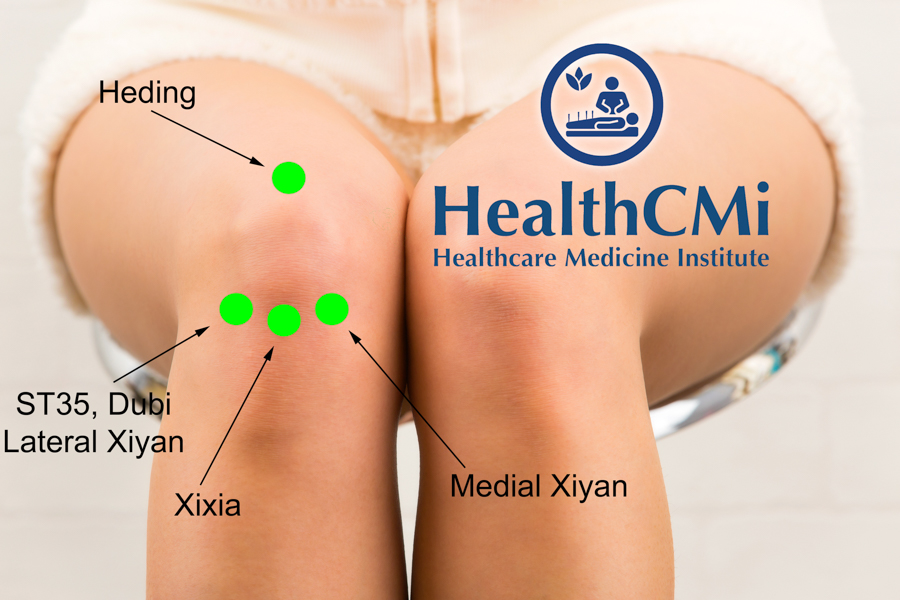
The researchers chose two acupuncture points on the Spleen channel. SP10 is located 2 cun above the medio-superior border of the patella, when the knee is flexed, on the bulge of the medial portion of the m. quadriceps femoris. SP10 is given the Chinese Medicine name of Xuehai, translated as the Sea of Blood. According to Traditional Chinese Medicine principles, SP10 harmonizes nutritive Qi and cools heat. SP10 is commonly used by licensed acupuncturists in the treatment of irregular menstruation, amenorrhea, abnormal uterine bleeding, urticaria, eczema, neurodermatitis, pruritis and erysipelas.

SP6 is located 3 cun directly above the tip of the medial malleolus on the posterior border of the medial aspect of the tibia. SP6 has the Chinese Medicine name of Sanyinjiao, translated as Three Yin Junction. SP6 is the meeting point of the three lower Yin channels and has the Traditional Chinese Medicine (TCM) functions of strengthening the Spleen, transforming dampness, spreading the Liver Qi and benefitting the Kidney. SP6 is used by licensed acupuncturists for the treatment of a variety of indications including abdominal pain and distention, diarrhea, dysmenorrhea, irregular menstruation, uterine bleeding, leukorrhea, prolapse of the uterus, sterility, difficult or delayed labor, nocturnal emissions, enuresis, dysuria, lower limb atrophy or motor impairment of the limbs, vertigo from Blood deficiency and insomnia.

ST36 was also used in the study. This acupuncture point is located 3 cun below ST35 and is one finger-breadth from the anterior crest of the tibia in the m. tibialis anterior. This acupuncture point is located lateral to a tibial notch that can be felt upon palpation. ST36 is given the name Zusanli, translated as Leg Three Measures. ST36 is given many functions and indications in the Chinese Medicine system. It is a He Sea, Earth, Lower He Sea Point of the Stomach and Sea of Nourishment Point. ST36 orders the Spleen and Stomach, regulates Qi and Blood and strengthens weak and deficient conditions. ST36 is traditionally used for the treatment of gastric pain, vomiting, abdominal distention, diarrhea, constipation, mastitis, breast abscesses, enteritis, gastritis, edema, asthma, general weakness, emaciation, anemia, indigestion, apoplexy, shock, hemiplegia, neurasthenia and mania.

LV3 was used in this study. LV3 is located on the dorsum of the foot, in the depression distal to the junction of the first and second metatarsal bones. According to Traditional Chinese Medicine theory, LV3 is a Shu Stream, Earth and Source Point. LV3 pacifies the Liver, regulates the Blood and opens the channels. LV3 is used by licensed acupuncturists for the treatment of headaches, vertigo, insomnia, irregular menstruation, abnormal uterine bleeding, joint and extremity pain including arthritis, eye pain, rib pain, retention of urine and enuresis.


Reference:
Liu, J. Y., and L. M. Liu. "[Influence of electroacupuncture intervention on free radical metabolism in athletes undergoing intensive endurance exercise]." Zhen ci yan jiu= Acupuncture research/[Zhongguo yi xue ke xue yuan Yi xue qing bao yan jiu suo bian ji] 38, no. 1 (2013): 48-51.

Share |

New research concludes that dietary intake of asparagus lowers blood pressure. The researchers were able to isolate an active compound found in asparagus that was found to have an antihypertensive effect. An ACE inhibitor was purified and isolated from asparagus. ACE inhibitors, often concentrated into pharmaceutical medications for the treatment of hypertension, cause dilation of the blood vessels which results in lower blood pressure. The researchers note that the ACE inhibitor in asparagus exerts its medicinal effect in the kidneys and that this may preserve the normal function of the kidneys and prevent hypertension.

Five element theory with Chinese Medicine is represented by the Yin Yang symbol. In a related discovery by the same research team, asparagus intake significantly raised the creatinine clearance rate. This is the rate at which blood plasma is cleared of creatinine and is an indicator of overall kidney health. The research suggests that asparagus has an overall effect of benefitting the kidneys and lowering blood pressure for cases of hypertension. The study was published in the prestigious Journal of Agricultural and Food Chemistry.

The research builds on a long history of dietetics information demonstrating that deep green colored foods have antihypertensive effects. This concept has its roots in Traditional Chinese Medicine. The Five Element theory within this system notes that deep green foods often have antihypertensive effects, including green asparagus as noted in this new study.

An emerging trend of noting the relationship between the color of food and its medicinal effects exists in biomedicine. Although an ancient concept within Traditional Chinese Medicine, modern biomedical research now supports many aspects of Chinese Medicine Five Element food color theory. A plethora of new research demonstrates that the yellow-orange coloring from betacarotene found in many foods is indicative of medicinal benefits. Resveratrol, a red-brown coloring found in many foods such as red wine and grapes, has also been linked to important health benefits. These findings coalesce ancient wisdom with modern scientific analysis.

The Healthcare Medicine Institute (HealthCMi) presents Chinese Medicine dietetics and Five Element food theory in detail. HealthCMi live webinars and anytime online courses for acupuncture continuing education CEUs feature a combination of Chinese Medicine dietetics theories with modern biomedical analyses. The professors from HealthCMi present common recipes to resolve specific medical ailments and general health tips on topics such as weight loss, cholesterol reduction, headache elimination, fertility enhancement and the control of high blood pressure with simple recipes and modest changes to dietary intake. Learn more at HealthCMi about these online courses featuring Chinese Medicine dietetics. To view samples from a dietetics live webinar, enjoy the video below.


Reference:
Matsuda, Sanae, and Yasuo Aoyagi. "Green Asparagus (Asparagus officinalis) Prevented Hypertension by an Inhibitory Effect on Angiotensin-Converting Enzyme Activity in the Kidney of Spontaneously Hypertensive Rats." Journal of Agricultural and Food Chemistry (2013).

Share |

A new study concludes that acupuncture reduces the frequency and intensity of postoperative nausea and vomiting following laparoscopic surgery. This type of surgery uses a fiber optic instrument inserted through the abdominal wall to view the internal aspects of the abdomen and its organs. A problem encountered by surgeons is postoperative nausea and vomiting caused, in part, by general anesthesia.

Laparoscopic surgery is performed in this image. Laparoscopic Surgery The researchers applied electro-acupuncture to an acupuncture point located on the wrist region to patients during the surgical procedure. The acupuncture point, P6, has been used in Traditional Chinese Medicine (TCM) for the treatment of nausea and vomiting for over 1,000 years. This modern study confirms this ancient medical principle. The researchers conclude that electroacupuncture effectively reduces the “incidence and the severity of postoperative nausea and vomiting” for patients receiving general anesthesia during laparoscopic surgery.

Acupuncture Point Shop Talk
P6 is located 2 cun above the transverse wrist crease between the tendons of the m. palmaris longus and flexor carpi radialis. According to Traditional Chinese Medicine, P6 (Neiguan, Inner Pass) is a Luo-Connecting point of the Pericardium meridian of Hand Jueyin and is a Confluent point of the Yin Wei channel. Using the Chinese Medicine 8 extra channel theory, P6 combines with acupuncture point SP4 for the treatment of heart, chest and stomach disorders. Needling these acupuncture points synergistically activates both the Yin Wei Mai (Yin Linking Vessel) and the Chong Mai (Thoroughfare Vessel), which is associated with SP4 as its Confluent acupuncture point.

Both P6 and ST40 are important distal points for the treatment of chest disorders and CV17 is also combined with these points to benefit the chest. As a Luo-Connecting point, P6 combines synergistically with SJ4, the Source point of the San Jiao meridian. P6 functions to calm the Heart and spirit (Shen). P6 regulates Qi and suppresses pain. P6 is indicated for the treatment of cardiac and chest pain, palpitations, stomachache, nausea, vomiting, hiccups, mental disorders, seizures and epilepsy. P6 may also be employed to regulate the rate of the heart beat and is used for the treatment of many presentations of hyperthyroidism accompanied by palpitations, insomnia and fever.


Reference:
Tang, W., W. Ma, G. Q. Fu, L. Yuan, and W. D. Shen. "[Impacts of electroacupuncture at different frequencies on the postoperative nausea and vomiting of patients with laparoscopic surgery]." Zhongguo zhen jiu= Chinese acupuncture & moxibustion 33, no. 2 (2013): 159-162.